
Daylight Savings Time in Wisconsin is quickly approaching and it’s time to start thinking about how to adjust your home’s lighting to accommodate the changing daylight hours. Daylight Savings Time typically begins on the second Sunday in March and ends on the first Sunday in November. As Daylight Savings Time comes to an end in the fall, Inadequate lighting can have negative consequences, such as accidents, eye strain, and mood disorders. By following these tips, you can create a well-lit home that is both functional and aesthetically pleasing.
Understanding Daylight Savings Time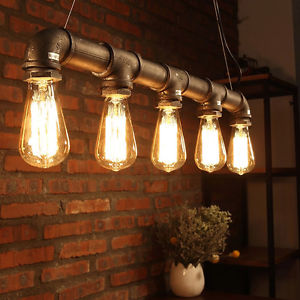
What is Daylight Savings Time?
Daylight Savings Time (DST) is a practice of adjusting clocks forward by one hour during the summer months and backward by one hour during the winter months. This adjustment is intended to maximize the use of daylight during the warmer months.
Impact on Home Lighting
In Wisconsin, Daylight Savings Time significantly impacts the amount of natural light your home receives. During the summer months, the days are longer, and the sun rises earlier, providing more natural light. However, as DST ends in the fall, the days become shorter, and the sun sets earlier, leading to decreased natural light.
Challenges of Inadequate Lighting
Insufficient lighting in your home can have several negative consequences, including:
- Accidents: Poor lighting can increase the risk of tripping, falling, or other accidents.
- Eye strain: Inadequate lighting can lead to eye fatigue and discomfort.
- Mood disorders: Studies have shown that exposure to sufficient light can positively impact mood and mental well-being.
Creating a Well-Lit Home
Maximizing Natural Light
- Window treatments: Consider using sheer curtains, blinds, or shutters to control the amount of natural light entering your home.
- Interior design: Arrange furniture and decor to maximize natural light. Avoid placing large objects in front of windows.
- Decluttering: Clutter can block natural light and create a dark atmosphere. Regularly declutter your home to allow more light to enter.
Artificial Lighting Options
- Types of light bulbs: Choose energy-efficient LED bulbs over traditional incandescent bulbs, as they provide brighter light and last longer.
- Lighting fixtures: Consider using a combination of ceiling lights, chandeliers, pendant lights, and wall sconces to create a well-lit space.
- Task lighting: Use task lighting for specific activities like reading, working, and cooking. Desk lamps, under-cabinet lighting, and overhead lights can provide adequate task lighting.
Layering Lighting
- Ambient, task, and accent lighting: Create a balanced lighting scheme by using a combination of ambient, task, and accent lighting.
- Creating a balanced atmosphere: Ambient lighting provides general illumination, task lighting illuminates specific areas, and accent lighting highlights features or objects.
Energy Efficiency and Cost Savings
Energy-Efficient Lighting
- LED bulbs: Invest in LED bulbs, which are more energy-efficient than traditional bulbs and can significantly reduce your energy consumption.
- Smart lighting systems: Consider using smart lighting systems that allow you to control your lights from your smartphone or voice assistant.
Reducing Energy Consumption
- Timers and motion sensors: Use timers and motion sensors to automatically turn lights on and off when needed.
- Natural light: Maximize natural light by keeping windows clean and curtains open during the day.
Long-term savings
By investing in energy-efficient lighting and reducing your energy consumption, you can save money on your electricity bills in the long run.
Lighting for Different Areas of the Home
Living Room
- Relaxation and entertainment: Use a combination of ambient and accent lighting to create a relaxing and inviting atmosphere.
- Reading: Provide adequate task lighting for reading, such as a floor lamp or a table lamp.
Bedroom
- Calming and restful atmosphere: Use soft, warm lighting to create a calming and restful atmosphere.
- Nightlights: Consider using nightlights for nighttime navigation.
Kitchen
- Task lighting: Use under-cabinet lighting and overhead lights to provide adequate task lighting for cooking and preparing meals.
Bathroom
- Grooming and relaxation: Use vanity lights and overhead lighting for grooming tasks.
- Spa-like ambiance: Consider using soft, warm lighting to create a spa-like ambiance.
Home Office
- Productivity and eye strain: Use a combination of overhead lighting and task lighting to reduce eye strain and improve productivity.
Enhance Your Green Bay Lighting for DST
In Wisconsin, where daylight hours can vary significantly throughout the year, proper lighting is especially important. By creating a well-lit home, you can improve your mood, reduce the risk of accidents, and create a more comfortable and inviting living space.
By following these tips, you can create a well-lit home that is both functional and aesthetically pleasing. Remember to consider your specific needs and preferences when choosing lighting solutions. For expert advice on lighting options in Wisconsin, visit Wenz in Green Bay.
For expert advice on lighting options in Wisconsin, visit Wenz’s lighting store in Green Bay. Their knowledgeable staff can help you select the right lighting solutions for your home and budget.